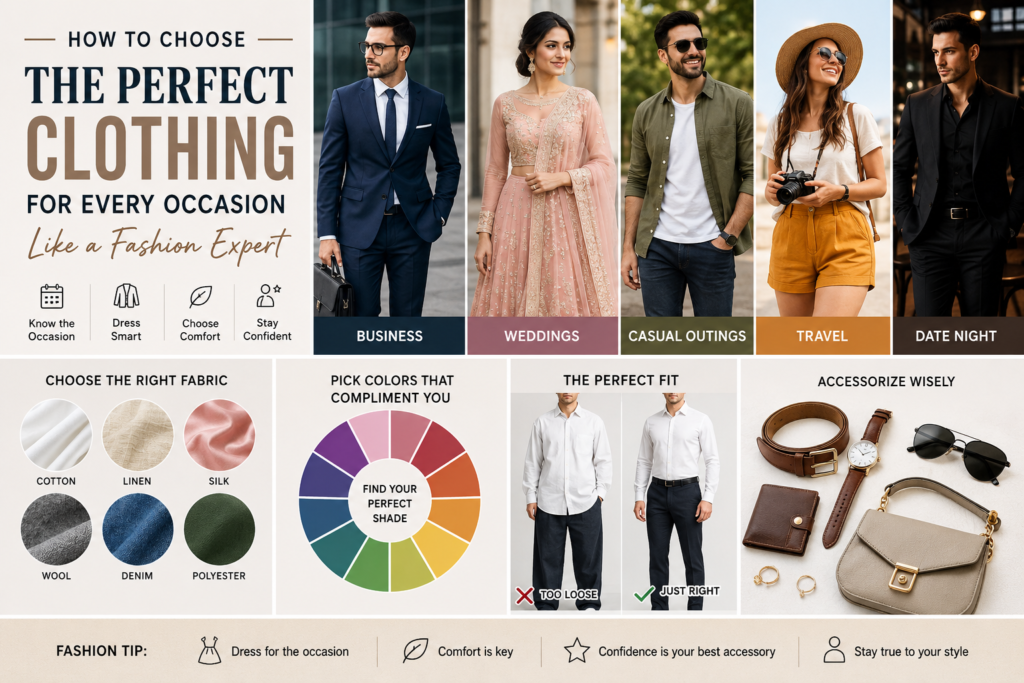
As consumers become more aware of their environmental impact, sustainable clothing and eco-friendly fashion have evolved from niche trends into a global movement. Choosing sustainable clothes is no longer just about looking stylish—it’s about making responsible decisions that benefit the planet, support ethical manufacturing, and promote a healthier future. Whether you’re updating your wardrobe or starting your sustainable fashion journey, this guide will help you make informed choices.
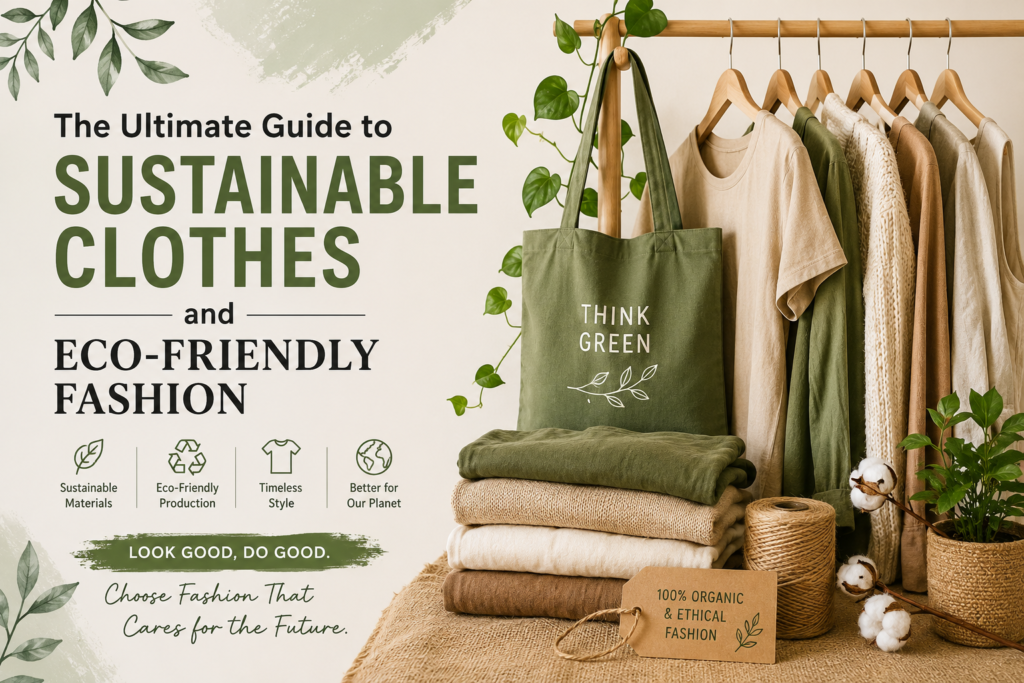
Why Sustainable Fashion Matters
The fashion industry is one of the largest contributors to environmental pollution. Fast fashion often leads to excessive textile waste, high water consumption, and harmful chemical usage. By choosing sustainable clothing, you can:
- Reduce environmental pollution.
- Support fair wages and ethical working conditions.
- Minimize textile waste in landfills.
- Lower your carbon footprint.
- Encourage responsible production practices.
Every conscious purchase contributes to a healthier planet and a more ethical fashion industry.
Best Sustainable Fabrics
Organic Cotton
Organic cotton is grown without harmful pesticides and uses less water than conventional cotton. It is soft, breathable, and perfect for everyday wear.
Linen
Made from the flax plant, linen is biodegradable, durable, and requires fewer resources to produce.
Hemp
Hemp is one of the most environmentally friendly fabrics available. It grows quickly, improves soil quality, and requires minimal water.
Bamboo Fabric
Responsibly processed bamboo fabric offers excellent comfort, moisture-wicking properties, and biodegradability.
Recycled Polyester
Created from recycled plastic bottles and existing polyester products, recycled polyester reduces landfill waste while conserving resources.